
Who You Trust With Your Face Matters: How to Choose a Safe Injector
This is a subtitle for your new post
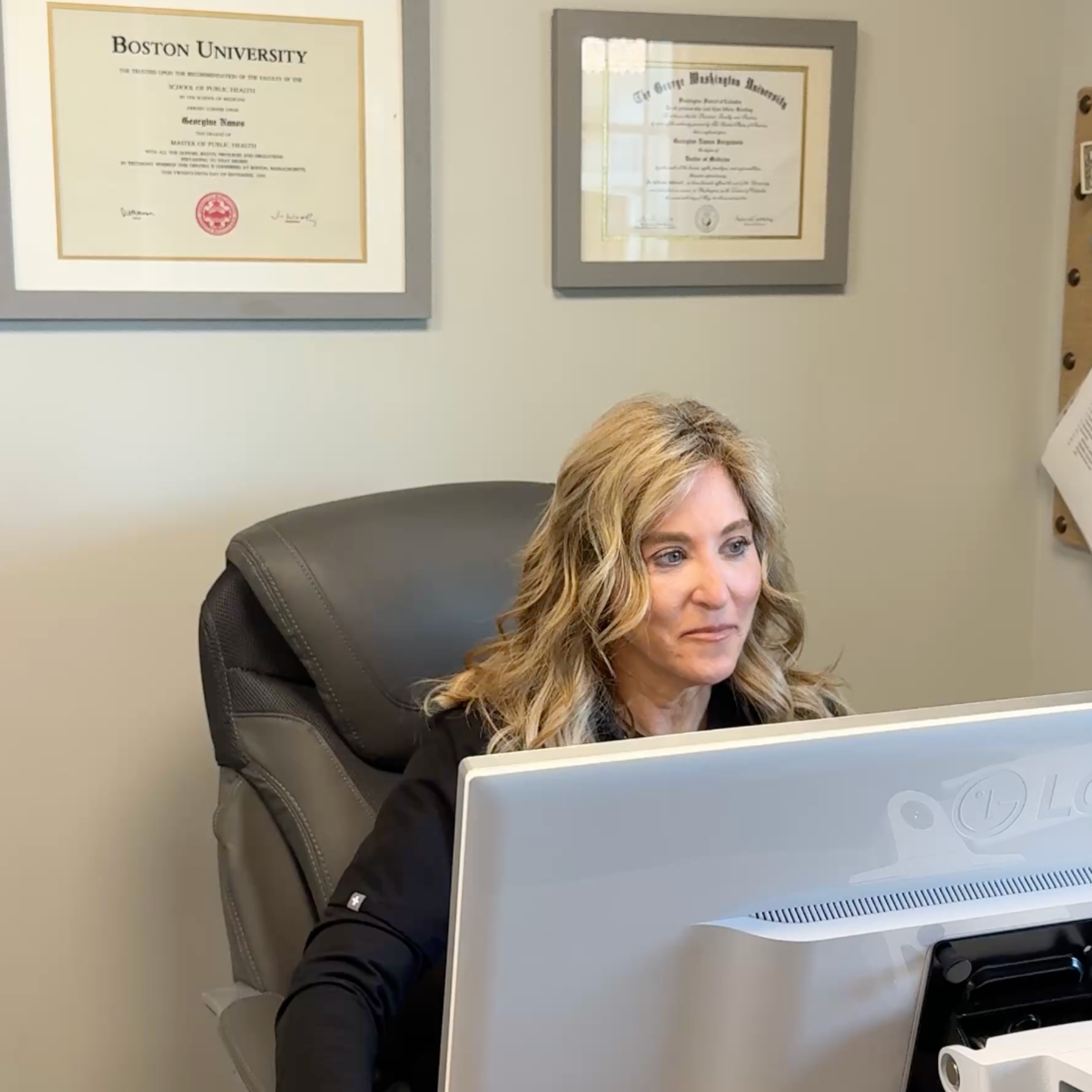
By Dr. Georgine Nanos, MD, MPH | Board-Certified Family Physician, Kind Health Group — Encinitas, CA
A patient once told me she chose her injector the same way she picks a nail salon — whoever had an opening that week and a good deal on a package. She said it casually, almost as a joke.
I didn't laugh. Because the vessels in your face are not your cuticles. They are a dense, unpredictable network sitting millimeters from your eyes, and in the wrong hands, injectables can cause real harm.
Aesthetic medicine is medicine. The moment we forget that is the moment it gets dangerous.
The Uncomfortable Truth About the Injectable Boom
Injectables have exploded, and mostly that's a good thing, more women have access to treatments that help them feel like themselves. But the boom created a shadow side. Weekend certification courses. Injectors treating faces as a side hustle. Factory-style clinics moving patients through like an assembly line, where no one asks what you actually need and no one is trained to handle it when something goes wrong.
Here's what most people don't realize: the injection itself is the easy part. The skill, the part you're actually paying for is everything around it.
Knowing the anatomy beneath the surface. Knowing which vessel you must never enter. Knowing how to recognize a complication in the first sixty seconds. Knowing how to manage a medical emergency if one happens in your chair. And knowing, sometimes, when to tell you no.
That last one matters more than any of them.
Why the Medical Foundation Is the Whole Point
The rare complications of injectables are not cosmetic, they're medical. A product placed into the wrong vessel can cut off blood flow to tissue. In the most serious cases, it can threaten vision. These events are uncommon, but when they happen, minutes matter, and the only thing standing between a scare and a catastrophe is an injector with real clinical training who recognizes it instantly and knows exactly what to do.
That's why background is not a detail. An injector who has spent years in serious clinical medicine who has managed fainting, allergic reactions, and true emergencies, brings a completely different level of safety to your face than someone who took a two-day course. Not because they're fancier. Because they can protect you.
This is a job. It is not a frou-frou add-on. And the person doing it should treat your safety as the first priority, not an afterthought.
The Questions That Actually Matter
When you're vetting an injector, skip the reviews-and-discounts routine and ask the questions that reveal how they practice:
What is your medical background and training? You want real clinical depth, not a certificate from a weekend seminar.
What happens if I have a complication? A qualified injector can explain, calmly and specifically, how they'd recognize and manage a vascular problem or an allergic reaction. Vagueness here is your answer.
Will you actually assess my face before you inject? A real consultation means someone studying your anatomy and your goals... not a menu and a syringe. An injector who tailors the plan to you is practicing medicine. One who injects everyone the same way is running a factory.
Are you ever willing to tell a patient no? The best injectors turn people away regularly when a request would look unnatural, when it's not safe, when less is genuinely more. An injector who never says no is optimizing for your money, not your face.
Do you think about the long game? Great aesthetic work is a marathon, not a sprint. You want someone building a relationship and a plan over time, not chasing a dramatic before-and-after that ages badly.
What You Can Do Right Now
Before your next appointment, do one thing: vet the human, not just the price. Ask about their medical training. Ask how they handle complications. Notice whether they take the time to actually look at your face and talk about your goals, or whether they're already reaching for the syringe.
And give yourself permission to walk out. If an injector rushes you, won't answer the safety questions clearly, or has never once told a patient no, that's information. Your face is worth a second opinion.
Frequently Asked Questions
What credentials should a safe injector have?
Look for genuine clinical training and experience — a licensed medical professional with real depth in patient care, ideally supervised within or by a medical practice. Be wary of injectors whose only qualification is a short certification course. The ability to recognize and manage a complication is the difference that matters most, and it comes from clinical experience, not a weekend seminar.
What are the red flags of an unsafe med spa?
Assembly-line pace with no real consultation, prices that seem too good to be true, an injector who treats every face identically, no clear plan for handling complications, and someone who never turns a patient away. If it feels more like a checkout line than a medical visit, trust that instinct.
Are injectables actually dangerous?
In trained hands, serious complications are rare. But they are real and they are medical — including, in the most serious cases, tissue damage or vision problems from product entering a blood vessel. That's precisely why who injects you matters so much. The treatment's safety is inseparable from the skill of the person performing it.
Why is a more experienced injector worth the higher price?
You're not paying for the product or the injection, you're paying for the judgment around it: the anatomy knowledge, the ability to say no, the emergency training, and the artistry that produces natural results. Getting it right the first time almost always costs less than correcting work that was done poorly.
Why should aesthetics be done in a medical setting?
Because it is medicine. A medical practice brings clinical oversight, emergency preparedness, and a whole-person view — including how your skin, hormones, and overall health affect your results. Injectables aren't separate from your health. They're part of it.
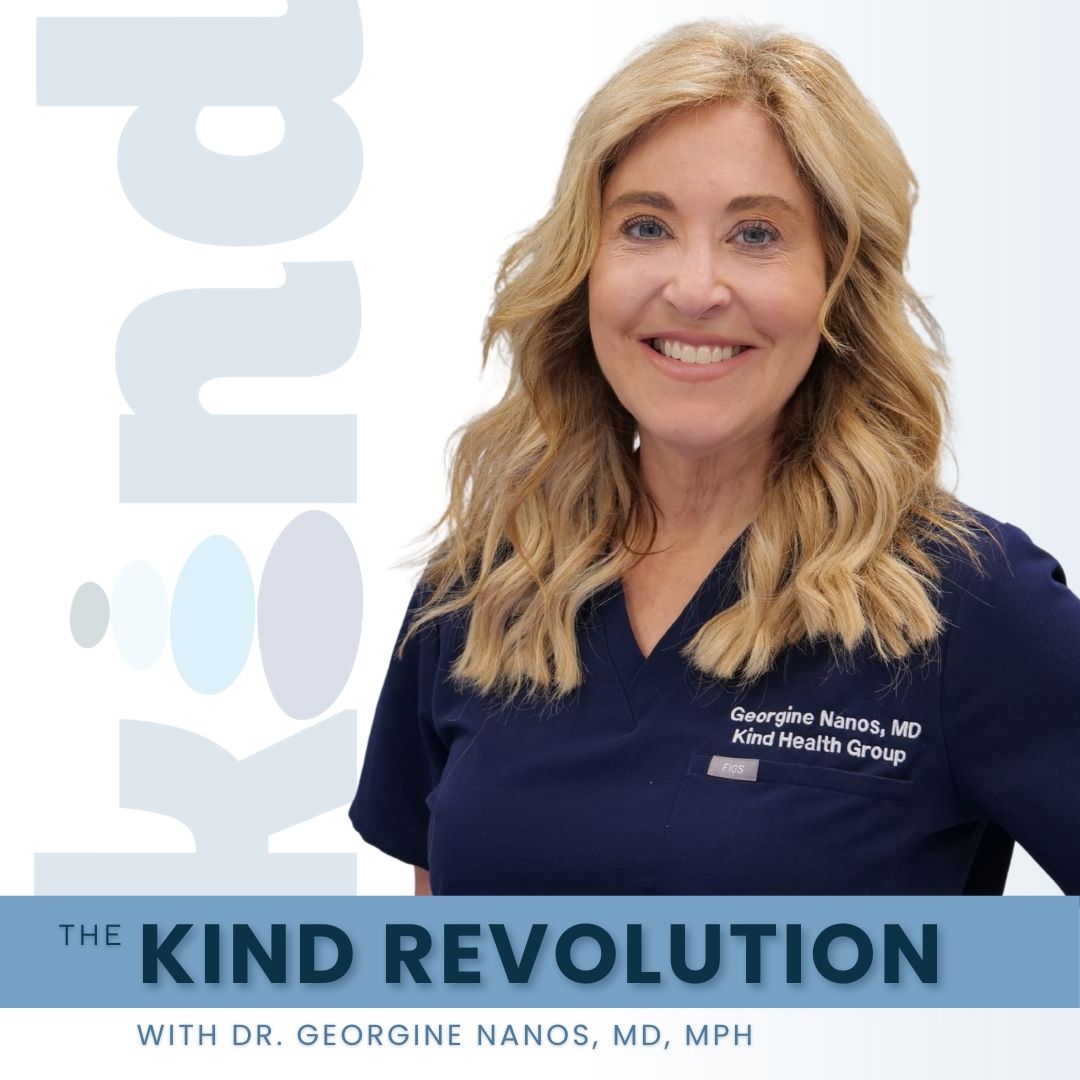
The Kind Revolution Podcast — how to choose who you trust with your face — the safety conversation every woman considering injectables should hear first.
Also available on Apple Podcasts, Spotify, Amazon Music, and YouTube. Search "The Kind Revolution."
Meet the Author

You might also enjoy: