
Testosterone for Women: The Hormone No One Talks About
New Title
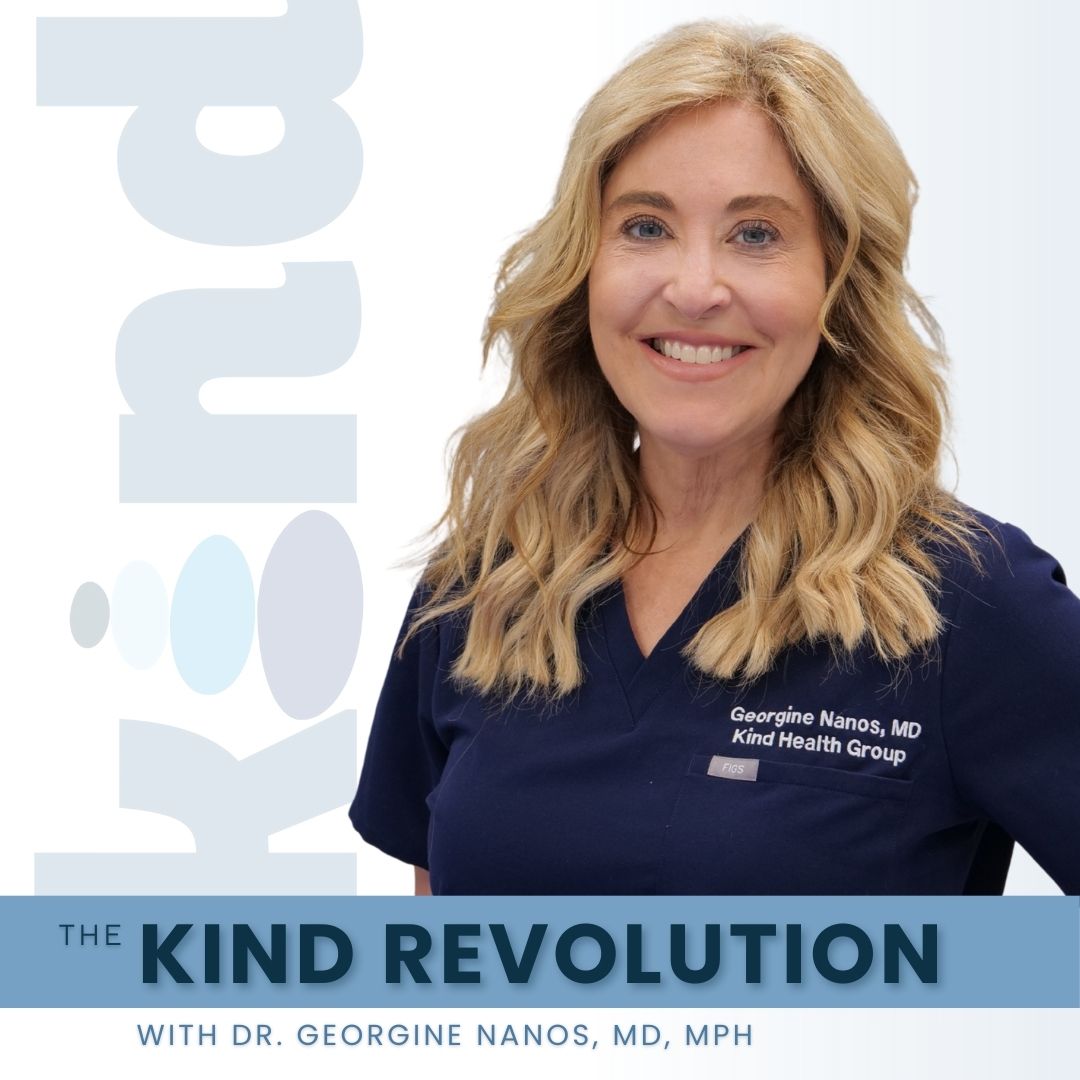
By Dr. Georgine Nanos, MD, MPH, Founder & CEO, Kind Health Group, Encinitas, CA
Here is a conversation I have almost every week. A woman in her late forties or fifties sits down, lists everything that has changed, and somewhere in the middle she lowers her voice and says the thing she came in to say. Her desire is gone. Not low. Gone. And she has been told it is stress, or her relationship, or just her age.
Sometimes it is none of those. Sometimes it is testosterone.
We talk about estrogen and progesterone constantly, and we should. But testosterone is a hormone women make too, in meaningful amounts, and it declines with age like the rest of them. It is the one almost nobody brings up, which is strange, because for the right woman it is one of the more useful tools we have. So let me tell you what it actually does, what it does not do no matter what the internet says, and why getting it right matters more than getting it fast.
What testosterone actually does for women
The strongest evidence, by a wide margin, is for libido. Specifically, for postmenopausal women with what we call hypoactive sexual desire disorder, which is the clinical way of saying distressing, persistent loss of desire that is not explained by something else. A 2019 global consensus statement from the major menopause and endocrine societies reviewed the data and landed there: HSDD in postmenopausal women is the one indication the evidence genuinely supports. A later meta-analysis of 36 randomized trials covering 8,480 women backed it up. For that woman, carefully dosed testosterone can bring desire back, and the relief when it works is real.
That is the honest headline. Testosterone helps libido in the woman who has lost it. Everything past that gets murkier fast.
What it is sold for, and where the evidence thins out
Walk through the wellness internet and you will see testosterone pitched for energy, weight loss, mood, motivation, muscle, memory, and the general feeling of being yourself again. I understand the appeal. I want all of those things for my patients too.
But the evidence does not hold up outside of libido. The same consensus reviews that endorsed it for HSDD were clear that the data do not support prescribing testosterone to women for energy, mood, cognitive performance, bone strength, or weight loss. That does not mean no woman ever feels better in those ways. It means we cannot promise it, and anyone promising it is getting ahead of what we actually know.
Here is the part that frustrates me most. Because the promises are oversized, the real, modest, genuinely helpful use gets lumped in with the hype and dismissed by serious doctors. The woman who could actually benefit walks away with nothing, because the marketing poisoned the well.
The regulatory reality you should know before you start
In the United States, there is no FDA-approved testosterone product made for women. None. As recently as September 2026, the FDA reiterated that position and asked manufacturers for more long-term safety data before it would consider approving one.
That means every testosterone prescription a woman fills in this country is off-label. Off-label is legal and common and often appropriate, and I prescribe off-label when the evidence warrants it. But you deserve to know that is what it is, because it changes the standard of care. It means the dose has to be deliberately small, kept in the range a premenopausal woman's own body would produce, and monitored with bloodwork over time. The two FDA-approved treatments that do exist for low desire, Addyi and Vyleesi, are not testosterone at all and work differently.
A lot of what is prescribed, especially pellets and compounded creams, is not standardized the way an approved medication is. Compounded testosterone is not FDA-tested for consistency, so the amount delivered can vary from what the label says. Pellets in particular deliver a dose you cannot take back once it is in. I have seen women come in with testosterone levels several times higher than any woman should have, handed to them by a clinic that treated a powerful hormone like a wellness add-on.
One more thing, about testing
You cannot diagnose low desire from a testosterone number on a lab report. There is no blood level that cleanly separates the women who have HSDD from the women who do not. The diagnosis is clinical, made from your history and what you are actually experiencing, and the bloodwork is there to dose and monitor safely, not to tell you whether something is wrong. Any provider who hands you testosterone purely because a number looked low is skipping the part that matters.
How we approach it
At Kind Health Group, testosterone is a tool, not a product on a menu. If desire is the problem and we have ruled out the other causes, which are often the real culprits, it is a real option and we will talk about it honestly. If energy or weight is the problem, we start by looking at the things that actually drive energy and weight, because reaching for testosterone there is usually treating the wrong thing.
When we do use it, we use the smallest effective dose, transdermal rather than pellets, aimed at keeping your levels where they belong, and we follow them with bloodwork. The goal is you feeling like yourself, not a lab value, and not a number that impresses anyone.
If your desire has quietly disappeared and you have been told to live with it, you do not have to. It is worth a real conversation with a physician who will neither dismiss it nor oversell the fix.
Frequently Asked Questions
Does testosterone help women's libido?
Yes, for the right woman. The strongest evidence is in postmenopausal women with hypoactive sexual desire disorder, which is persistent, distressing loss of desire not explained by another cause. A 2019 international consensus statement and a meta-analysis of 36 trials in 8,480 women support testosterone for that specific situation, using low, carefully monitored doses. For women without that diagnosis, the evidence is much weaker.
Is testosterone for women FDA-approved?
No. As of 2026 there is no FDA-approved testosterone product made for women in the United States, so every prescription is off-label. Off-label prescribing is legal and sometimes appropriate, but it means the dose should be small, kept in the range a woman's own body would make, and monitored with bloodwork. The FDA-approved treatments for low desire, Addyi and Vyleesi, are not testosterone.
Does testosterone help women lose weight?
The evidence does not support testosterone for weight loss in women. Major clinical reviews found it helpful only for libido in postmenopausal women with HSDD, and specifically did not find reliable evidence for weight, energy, mood, or memory. If weight is the concern, it is better addressed by looking at the things that actually drive it rather than reaching for testosterone.
Is testosterone safe for women?
It can be, when it is dosed correctly and monitored. The risks come from too much. Doses that push a woman's level above the normal female range, which happens most often with pellets and compounded products, can cause side effects, and compounded testosterone is not FDA-tested for consistent dosing. Used in small, transdermal, monitored doses by a physician, it has a reasonable safety profile for the right patient.
Can a blood test tell me if I need testosterone?
No. There is no testosterone level that reliably identifies which women have low desire and which do not. The diagnosis is made from your history and symptoms, and bloodwork is used to dose and monitor safely, not to decide whether treatment is warranted. Be cautious of any provider who prescribes testosterone based on a lab number alone.
What is the difference between pellets and a cream or gel?
A transdermal cream or gel lets a physician adjust or stop the dose as your levels and symptoms change. A pellet is implanted and releases testosterone over months, so if it delivers too much, there is no taking it back until it wears off. For women, most evidence-based guidance favors low-dose transdermal testosterone over pellets for exactly that reason.
Dr. Georgine Nanos is a board-certified family physician and the founder of Kind Health Group in Encinitas, California, where she practices comprehensive concierge and preventive medicine for women in midlife.
Meet the Author

You might also enjoy: