

What It Takes to Ask for Help When You Have Never Felt Safe Enough To
November 17, 2026
Most people who are drowning do not look like they are drowning.
Justin is a cybersecurity and internet privacy expert who helps people under repressive regimes reach the free and open internet. He has been blind since birth. And for years he carried complex PTSD while telling everyone around him that things were fine.
He talks about the friend who finally called him on it, the two crises that followed, why he was skeptical about TMS and tried it anyway, and the thing almost nobody says out loud: there is no silver bullet, and it is okay to grieve that.
If you are struggling, call or text 988 in the US any time. One person's experience, not medical advice.
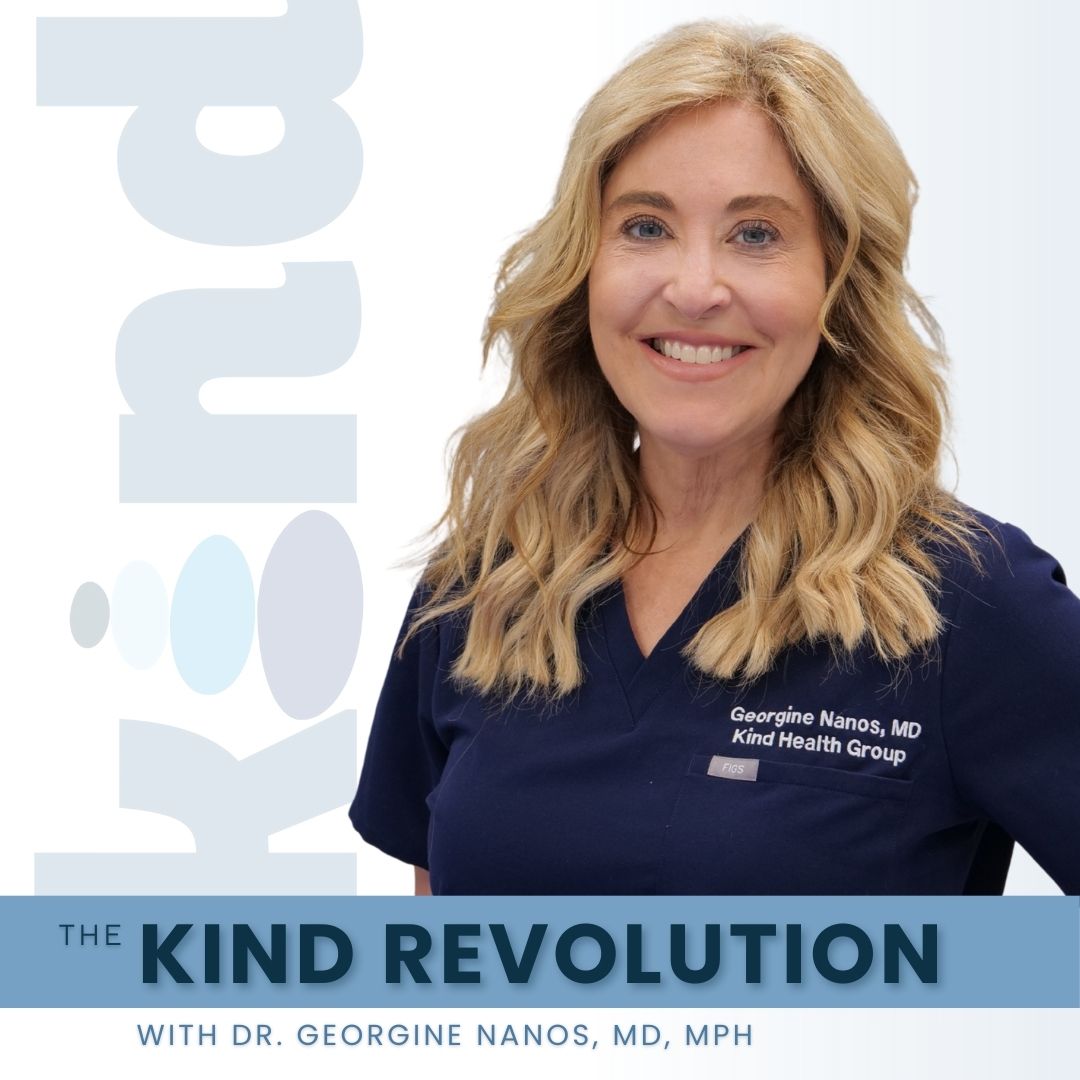
Meet the Author

You might also enjoy:

Can you reverse your biological age? A physician on why consumer age tests are noisy, what the reversal science shows, and what actually slows aging.
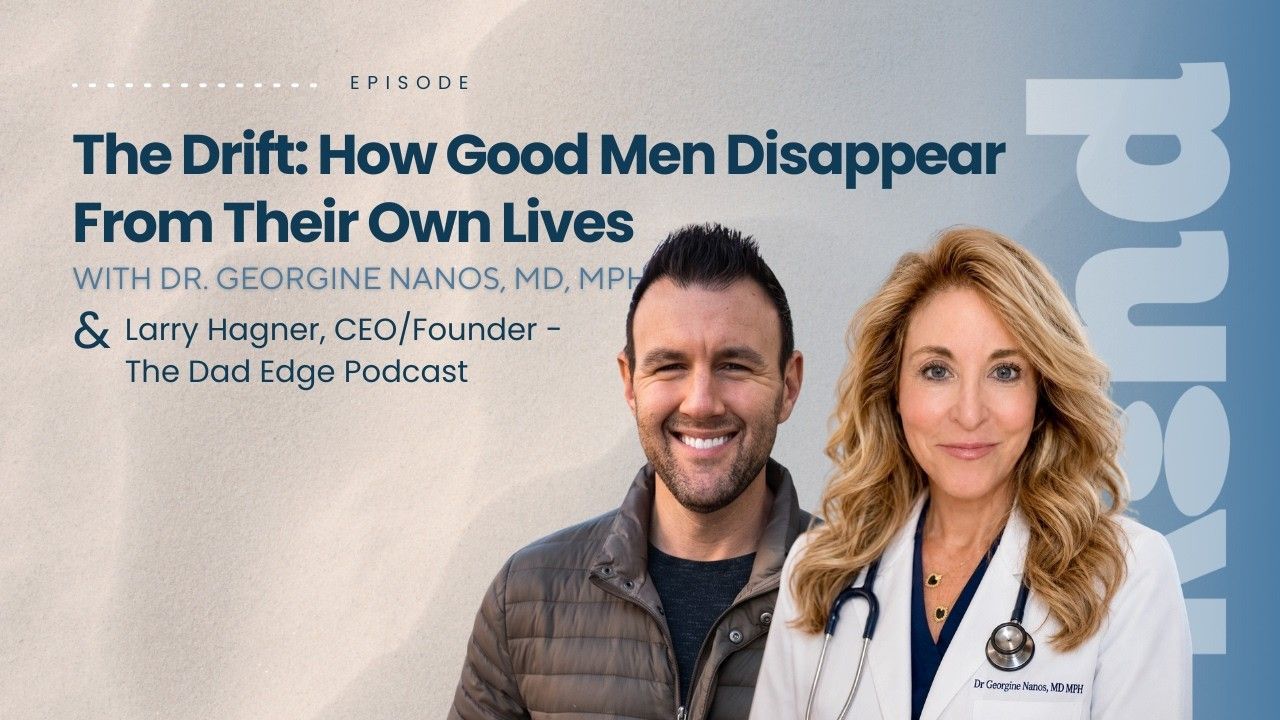
In this conversation Larry Hagner, CEO of The Dad Edge talks about where the drift starts in a man's life, why it shows up in a man's body and his marriage long before it shows up in a lab result, and why the healthcare system keeps meeting men at the crisis instead of before it.

Family history misses more than you think. Dr. Nanos on who should get genetic testing for cancer risk and what a result actually changes.
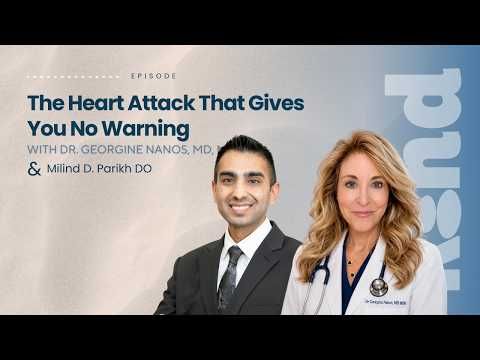
Dr. Georgine Nanos sits down with Dr. Milind Parikh, board-certified cardiologist, to talk about what coronary imaging can and cannot tell you, and why he thinks cardiology should look