
Redefining Therapy: The Power of Equine Healing

April 3, 2026

In this episode of the Kind Revolution, Dr. Georgine Nanos engages in a profound conversation with Dr. Shannon Lerach, PhD and Dr. Ali Freedman, PsyD, MBA, IFECMH, about the innovative approaches they are taking to redefine therapy. 


They discuss the integration of play, movement, nature, and horses into trauma-informed healing, emphasizing the importance of addressing both big T and little t traumas. The conversation explores how trauma is stored in the body and the significance of early interventions, particularly for children. 


The mission of Horseplay Collective and Reciprocity Ranch is highlighted, showcasing their commitment to providing alternative therapeutic modalities that foster healing and connection. 


Chapters 

15:33 Understanding Big T and Little t Trauma 

24:32 The Role of the Body in Healing

30:57 Transformative Experiences in Equine Therapy 

36:55 Understanding Brain Development in Children 

43:08 Community Engagement and Reciprocity 

51:52 Creating Healing Spaces for Families
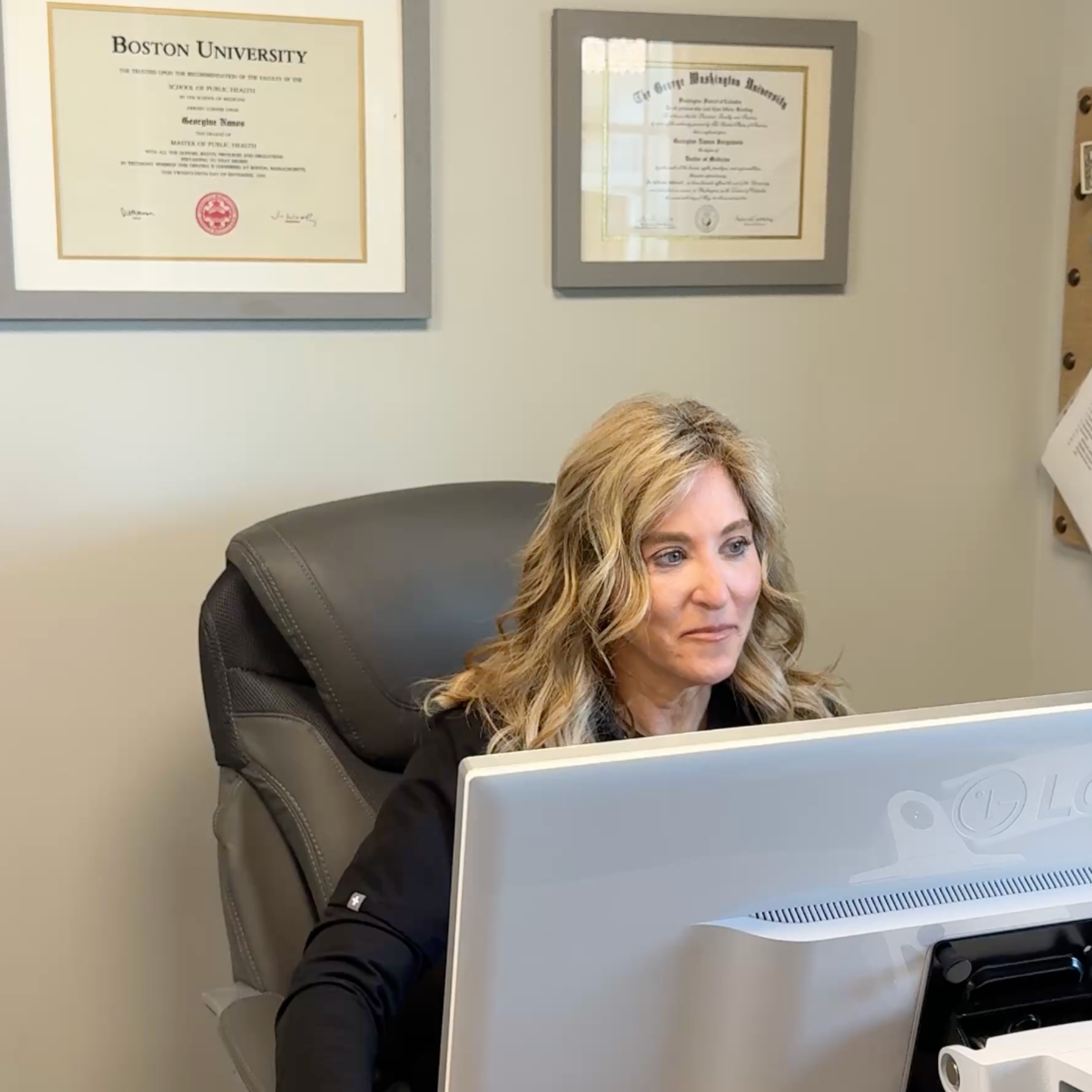
Meet the Author

About Dr. Nanos

You might also enjoy:


Podcast cover: “An Honest Conversation About TMS” with two doctors in business and white coats on a blue background
September 28, 2026
Dr. Georgine Nanos sits down with Kyle Hartfield, founder of iTalk TMS, a patient-facing advocacy platform he built because he could not stand a minute of the existing content about it.
Podcast promo with two doctors and title “Who Do You Want to Be When You Die?”
September 23, 2026
Dr. Georgine Nanos sits down with Dr. James Ross, who practices what he prefers to call holistic brain health.
Gloved hands holding a red test tube in a lab with colorful vials in a rack
September 21, 2026
Colorectal cancer is climbing 3% a year in adults under 50, and younger patients are nearly twice as likely to be diagnosed at stage 4. A UC San Diego surgeon on why, and the two words that fix most of it.
September 14, 2026
Colorectal cancer used to be an older person's disease. It is not anymore. Dr. Nanos sits down with Sonia Ramamoorthy, they get into why it keeps getting caught late, and the answer is uncomfortable. The early symptoms are rectal bleeding and a change in bowel habits.