
"Who Do You Want to Be When You Die?" — Dr. James Ross on Reverse-Engineering a Life
16% of Americans who know the term "palliative care" believe it means giving up. 38% think it is the same thing as hospice. Neither is true, and the confusion is costing people weeks and sometimes months of comfortable time they were entitled to.
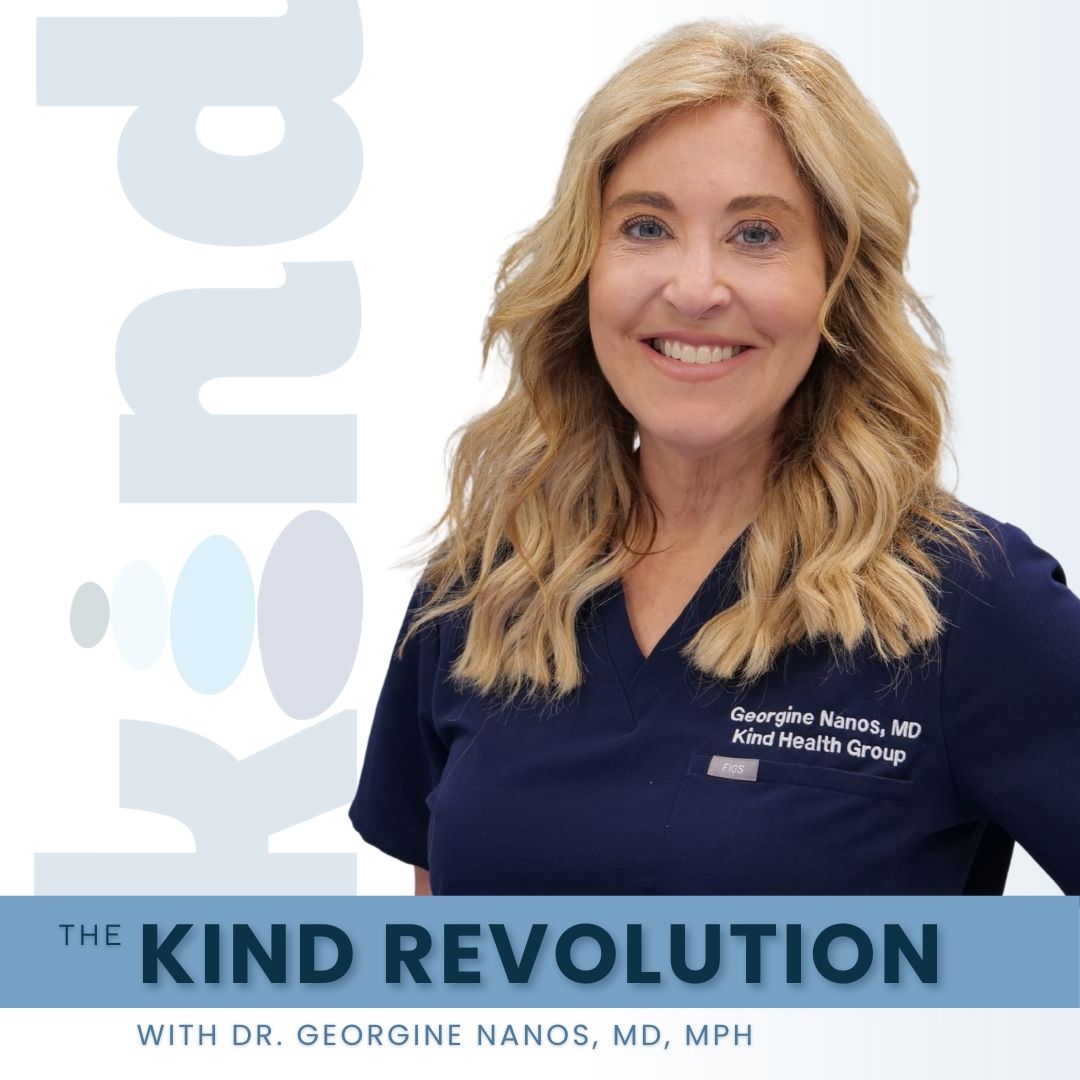
Dr. Georgine Nanos sits down with Dr. James Ross, founder of the Brain and Body Institute in Tulsa, Oklahoma. He is a board-certified family physician who is also board certified in hospice and palliative medicine, certified in functional and integrative medicine, and now practices what he prefers to call holistic brain health. Across nearly 25 years he has delivered thousands of babies and sat with those same families at a grandmother's bedside.
That range is why this conversation goes where it goes.
In this episode:
• The distinction that changes everything: all hospice is palliative care, but not all palliative care is hospice• What people actually believe about palliative care, and where those beliefs come from
• Why palliative care runs alongside curative treatment rather than replacing it
• The landmark trial where patients who received early palliative care had better quality of life, better mood, less aggressive treatment at the end of life, and lived longer
• What hospice actually includes, who is on the team, and what Medicare covers
• Why waiting is the real tragedy, and how late most people sign up
• "Who do you want to be when you die?" and how to reverse-engineer a life from the answer
• What a good death can look like, down to whether the window is open and the birds are audible
• Why separating mental health from physical health produces shame, and what changes when you stop
• Where TMS and neuromodulation fit alongside root cause work
• Direct primary care, and why he calls it blue collar concierge medicine
• Why he refuses to use the word biohack
• A legacy answer that runs in the opposite direction from the questionIf you have ever felt like your doctor was looking at one piece of you at a time, or if someone you love is seriously ill and nobody has explained the options properly, this conversation is for you.
This is The Kind Revolution — where we bridge science, compassion, and courage.
CONNECT: Dr. James Ross — Brain and Body Institute, Tulsa, OK
Instagram: @JamesRossMD
YouTube: Dr. James Ross
⚕️ This conversation is for education and is not medical advice. Talk to your own physician about your situation.

Meet the Author

You might also enjoy: