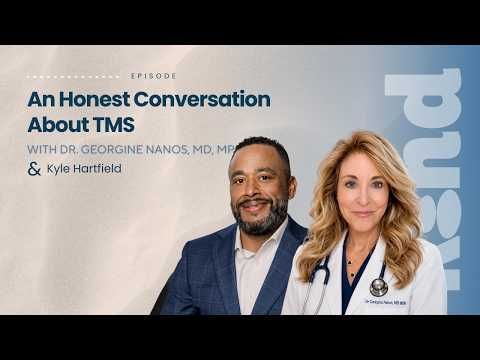

What Radiologists Really See

June 16, 2026

In this conversation with Dr. Georgine Nanos, Dr. Burn pulls back the curtain on imaging — what's real in the AI hype, what whole body MRI can and can't do, why 1.5 Tesla actually outperforms 3 Tesla for screening, and what a Lancet paper on pancreatic cancer just revealed about early detection lead time that should change how we think about prevention entirely.


For the high performer who assumes they're fine:

Dr. Burn's message is simple — looking healthy and being healthy internally are two completely different things.

The people least likely to get their cardiac markers checked are often the ones who need it most.

VO2 max and longevity are linked. So are Lp(a) and a heart attack at 52 that nobody saw coming.


Subscribe to the Kind Revolution Podcast for conversations at the intersection of medicine, mental health, and the real lives of the people navigating both. Share this episode with the endurance athlete in your life who hasn't had their cardiac labs checked.
Meet the Author
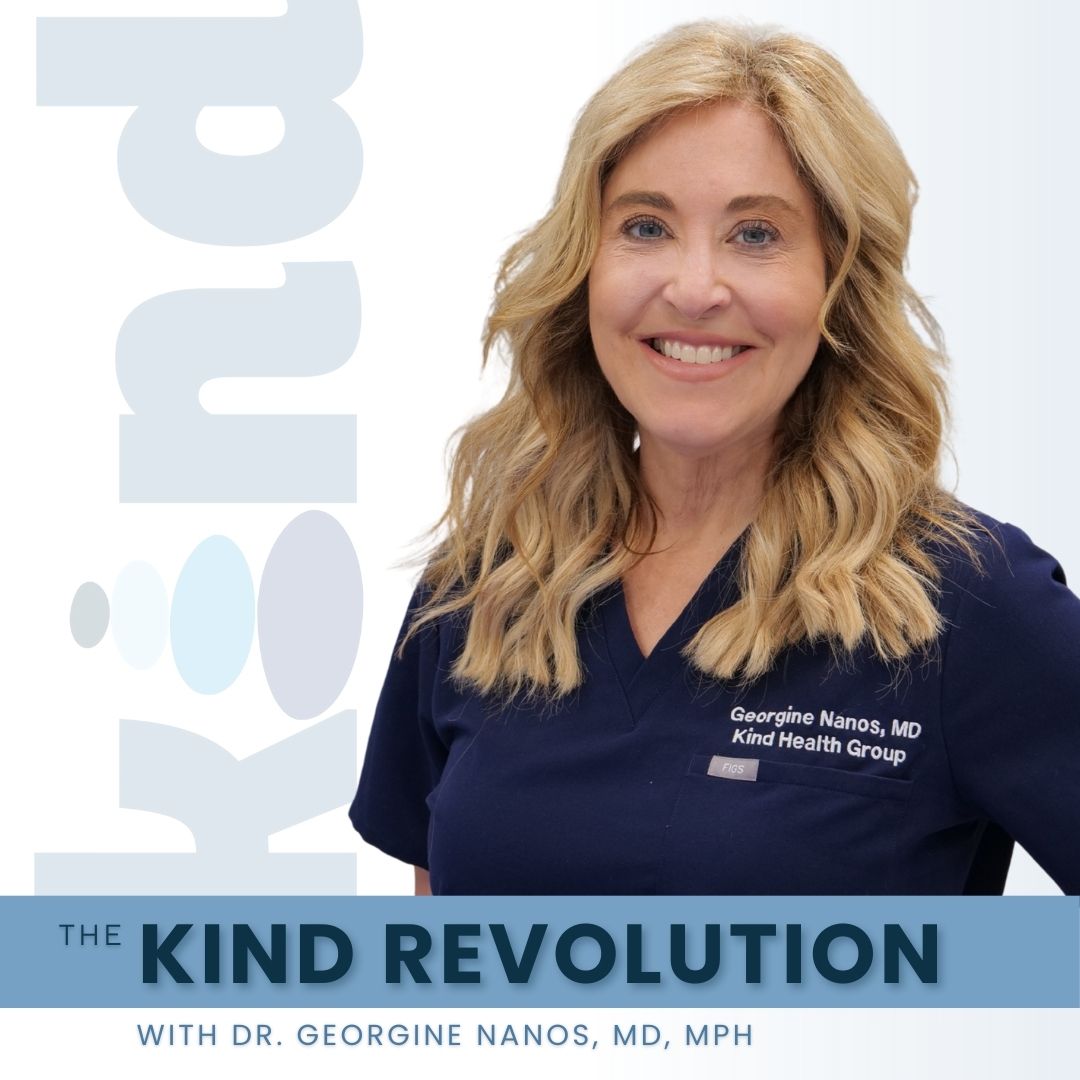

About Dr. Nanos

You might also enjoy:


Promo graphic for “The Heart Attack That Gives You No Warning” with two doctors on a blue background
October 21, 2026
Dr. Georgine Nanos sits down with Dr. Milind Parikh, board-certified cardiologist, to talk about what coronary imaging can and cannot tell you, and why he thinks cardiology should look
Three friends smiling and taking a selfie indoors by a window, with greenery outside
October 19, 2026
61.8 percent of US women report urinary incontinence. What the laugh test measures, the sign it is already costing you, and what to try first.
Calendar with red marks highlighting dates 5, 11, 18, 24, and 30, with 30 circled in red
October 12, 2026
Perimenopause starts long before hot flashes. Dr. Nanos on the cycle changes, sleep, mood and bleeding signs that tell you it has begun.
Podcast cover: “An Honest Conversation About TMS” with two doctors in business and white coats on a blue background
September 28, 2026
Dr. Georgine Nanos sits down with Kyle Hartfield, founder of iTalk TMS, a patient-facing advocacy platform he built because he could not stand a minute of the existing content about it.