
TMS Is a Crane. You Still Have to Climb the Mountain. — An Honest Conversation About TMS
Kyle Hartfield had already watched other people go through TMS. He knew it was not supposed to hurt. And he still sat down in the chair for his first session convinced he was about to start seizing.That is how strong the confusion between TMS and ECT is, and it is one of two beliefs about this treatment that cause real harm. The first keeps people out of the chair. The second sets up the people who get in it.
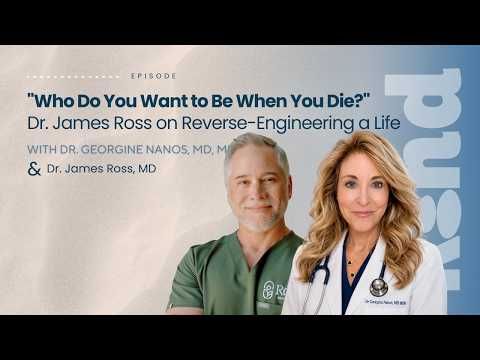
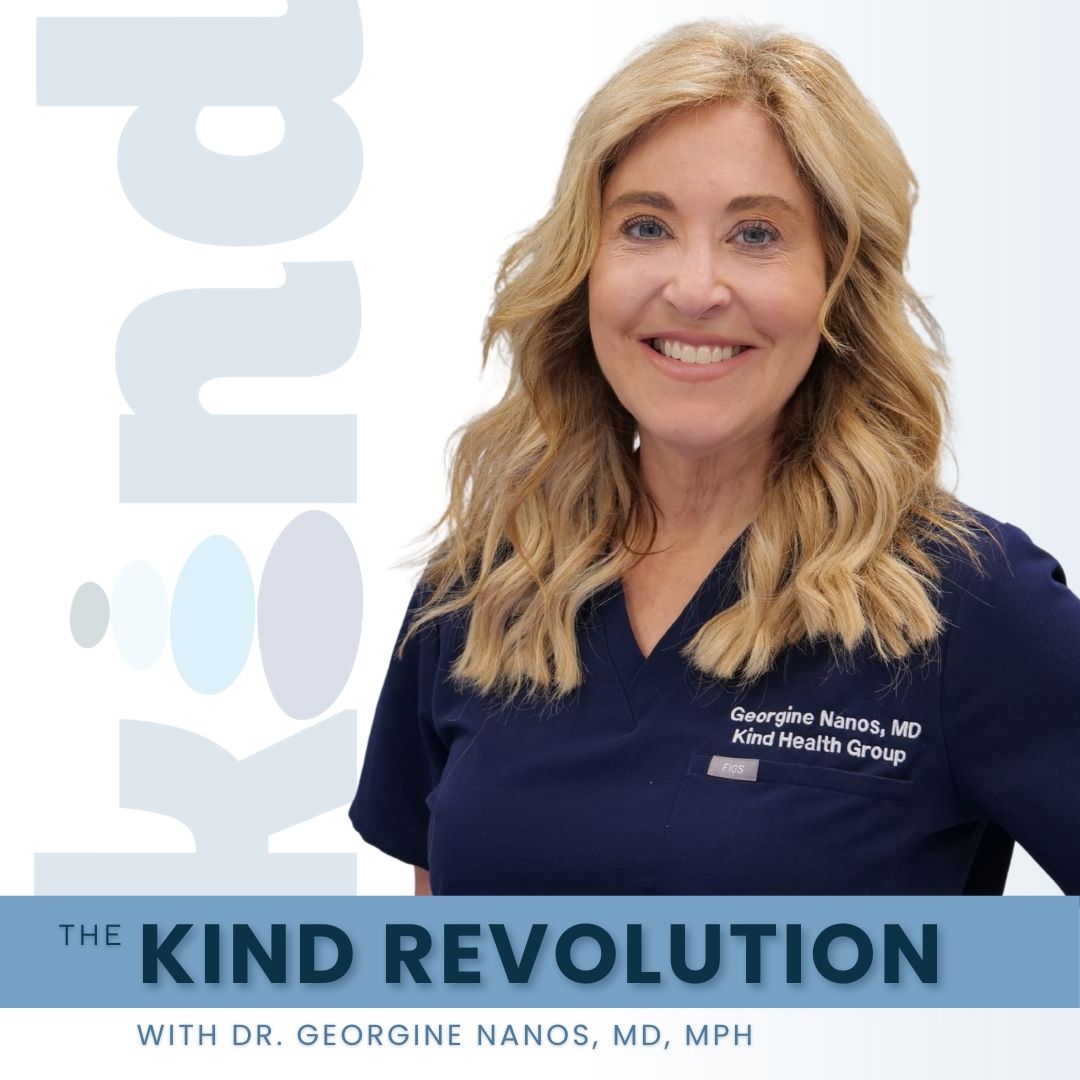
Dr. Georgine Nanos sits down with Kyle Hartfield, founder of iTalk TMS, a patient-facing advocacy platform he built because he could not stand a minute of the existing content about it. He is not a clinician, and he says so repeatedly. He came to this as a patient, after his best friend died by suicide sent an addiction he had carried since childhood completely out of control.He is four and a half years sober now, and careful to say he did not do TMS in order to get sober.
In this episode:
• What TMS actually is, and the specific ways it is not ECT: no anesthesia, no induced seizure, no recovery time
• What the first pulses felt like, from someone who was braced for something else entirely
• Why a treatment cleared by the FDA in 2008 is still unknown to most people
• What to ask before choosing a provider, and why there is usually more than one modality available
• The crane and the scaffolding: two metaphors for the same honest point about doing the work
• Why non-responders break his heart, and why he keeps trying to get one to come on camera
• The insurance conversation in plain language, including what typically has to be tried first
• Owning a treatment center for eight years while still in active addiction
• What he would say to someone who does not believe they are worth the money
This is not a sales pitch for TMS. It is the honest version, including the part where it does not work for everyone.This is The Kind Revolution — where we bridge science, compassion, and courage.
⚕️ If you are struggling, you can reach the 988 Suicide and Crisis Lifeline by calling or texting 988 in the US, any time.
👤 Kyle Hartfield — iTalk TMS on YouTube and Instagram
⚕️ This conversation is for education and is not medical advice. Kyle Hartfield is a patient advocate, not a clinician. TMS is FDA-cleared for major depressive disorder after an inadequate response to antidepressant medication, for OCD as an adjunct, and as a short-term smoking cessation aid. Talk to your own physician about whether it is appropriate for you.
Meet the Author

You might also enjoy: