
TMS in Primary Care: The Future of Mental Health Access
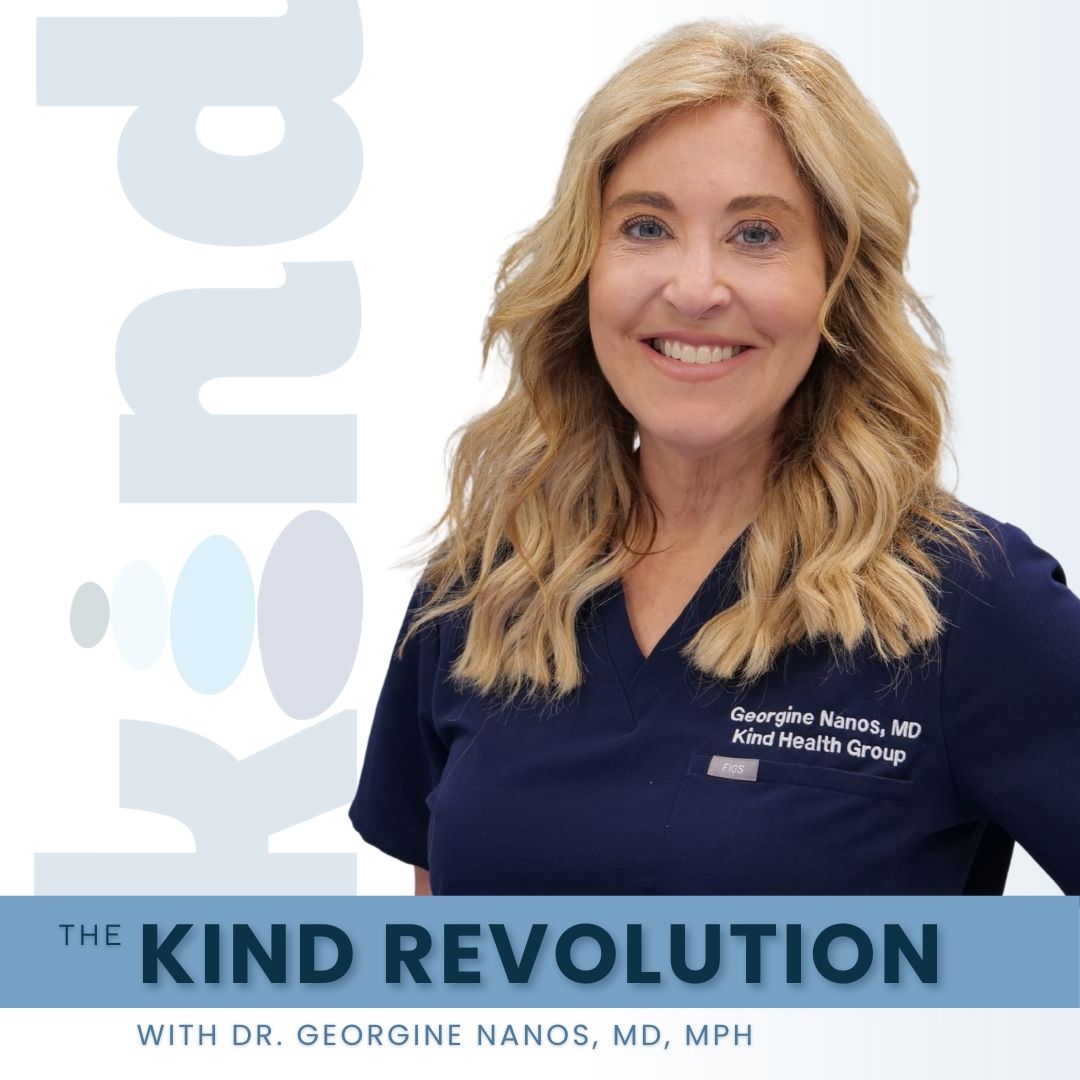
Over 70% of antidepressants are prescribed by family doctors, not psychiatrists. So why isn't TMS in every primary care office?In this paradigm-shifting episode of The Kind Revolution Podcast, host Nate and Dr. Georgine Nanos explore why Transcranial Magnetic Stimulation (TMS) belongs in primary care settings - where most mental health journeys actually begin. Dr. Nanos reveals the uncomfortable truth about antidepressant effectiveness from the landmark STAR*D study: only 1 in 3 patients respond to their first medication, leaving two-thirds cycling through trial-and-error while managing debilitating side effects.
The conversation explores how primary care physicians are the true front line of mental health, yet have been fighting brain health problems with limited tools for decades.
Dr. Nanos shares compelling patient stories - from the postpartum mom afraid to take medications while breastfeeding to the burned-out executive who needed his brain back - demonstrating how TMS in primary care settings removes stigma, reduces wait times, and provides targeted circuit-based treatment without systemic side effects.
Meet the Author

You might also enjoy: