
Why Military Families Need More Than PTSD Treatments
In this episode of the Kind Revolution podcast, Dr. Tina Atherall, CEO of PsychArmor, discusses her journey in social work and the innovative approaches to mental health care for military-connected individuals.
The conversation explores the complexities of the military community, common misconceptions in veteran care, and the importance of social connections. Dr. Atherall emphasizes the need for community involvement, caregiver support, and the challenges of leadership in nonprofit organizations. The episode concludes with a discussion on the barriers in the mental health ecosystem and how listeners can get involved in supporting the veteran community.
Takeaways
Dr. Tina Atherall emphasizes the importance of community in healing.
Understanding the unique needs of the military-connected community is crucial.
Providers must ask the community what they need for effective support.
Generational differences impact how military members access care.
Social connection is a powerful tool for mental health.
Insurance barriers significantly hinder access to mental health care.
Caregivers play a vital role in supporting military families.
Building trust within the community is essential for effective care.
Innovative approaches are needed to address mental health in veterans.
Leadership in nonprofit organizations requires adaptability and resilience.
Chapters
00:00 Introduction to the Kind Revolution Podcast
05:57 Understanding the Military Connected Community
12:27 The Complexity of PTSD and Trauma
17:33 Targeting of Military Communities by Outside Actors
24:16 Building Trust in Community Health 30:52 Navigating Identity and Purpose Post-Military
38:07 Challenges in the Mental Health Ecosystem
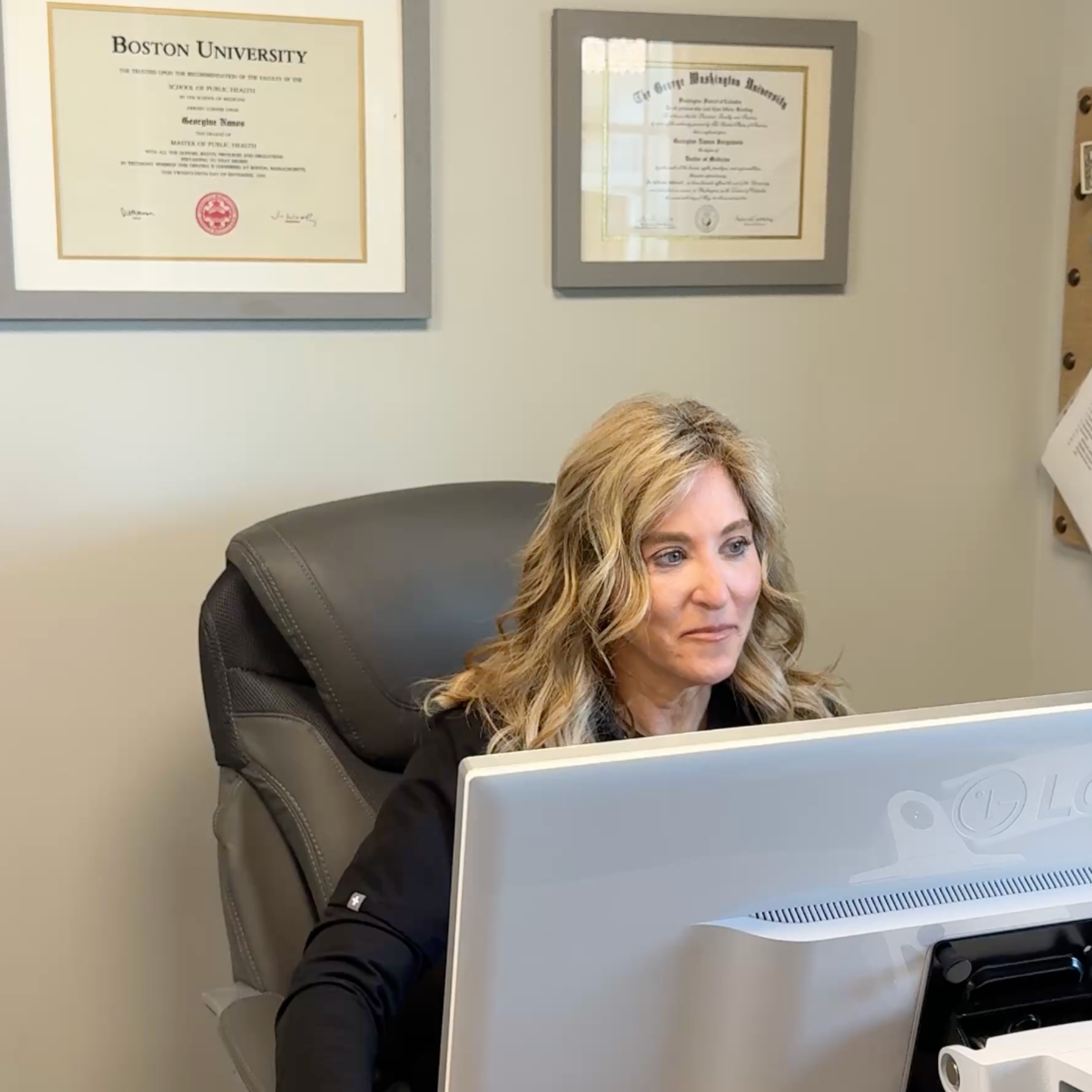
Meet the Author

You might also enjoy: