

Understanding the Impact of Stress on Your Health and Ways to Manage It
November 14, 2023
Understanding the Impact of Stress on Your Health and Ways to Manage It
Life is a journey filled with its share of joys and challenges, and stress is an inevitable companion on this path. While stress is a natural response to demanding situations, its prolonged and unchecked presence can have a profound impact on your health. At Kind Health Group, we recognize the interconnectedness of your mental and physical well-being. In this article, we delve into the effects of stress on your health and provide practical strategies to effectively manage it.
The Mind-Body Connection
Stress is more than just a mental burden – it affects your entire body. When you experience stress, your body releases hormones like cortisol and adrenaline, which trigger the "fight or flight" response. While this response is designed to protect you in immediate danger, chronic stress can keep these hormones elevated, leading to a range of health issues.
Impact on Physical Health
Chronic stress has been linked to numerous physical health problems, including high blood pressure, heart disease, digestive issues, and a weakened immune system. Over time, these conditions can take a toll on your overall well-being, compromising your body's ability to function optimally.
Effects on Mental Health
The impact of stress isn't limited to physical health – it can also wreak havoc on your mental and emotional state. Prolonged stress is associated with an increased risk of anxiety, depression, and other mood disorders. It can also impair your cognitive function, affecting memory, concentration, and decision-making.
Healthy Strategies to Manage Stress
Managing stress is essential for maintaining your overall health and quality of life. Here are some effective strategies to help you cope with stress:
1. Practice Mindfulness:
Mindfulness techniques, such as deep breathing, meditation, and yoga, can help you stay present and reduce the impact of stress on your body and mind.
2. Stay Active:
Regular physical activity is a powerful stress reducer. Exercise releases endorphins, which are natural mood lifters that counteract the effects of stress hormones.
3. Prioritize Sleep:
Quality sleep is vital for stress management. Establish a consistent sleep routine and create a calm bedtime environment to improve your sleep quality.
4. Connect with Others:
Social support is a valuable tool for managing stress. Spend time with loved ones, share your feelings, and seek comfort in your relationships.
5. Healthy Lifestyle Choices:
Proper nutrition and hydration play a significant role in stress management. Avoid excessive caffeine and alcohol, and opt for nourishing foods that support your body's resilience.
6. Set Boundaries:
Learn to say no when necessary and establish healthy boundaries in your personal and professional life to prevent overwhelm.
7. Seek Professional Help:
If stress becomes overwhelming, don't hesitate to seek help from a mental health professional. Therapy and counseling can provide you with valuable tools to manage stress effectively.
Reach Out for Support
At Kind Health Group, we understand the importance of holistic care that addresses both your physical and mental well-being. If stress is taking a toll on your health, we're here to help. Contact us at 760.701.5463 or reach out through our secured texting line at 760-492-7986 to schedule a consultation.
Remember, managing stress is a lifelong journey, and taking proactive steps to reduce its impact can lead to improved health, increased resilience, and a greater sense of well-being. Your health is our priority, and we're here to support you every step of the way.
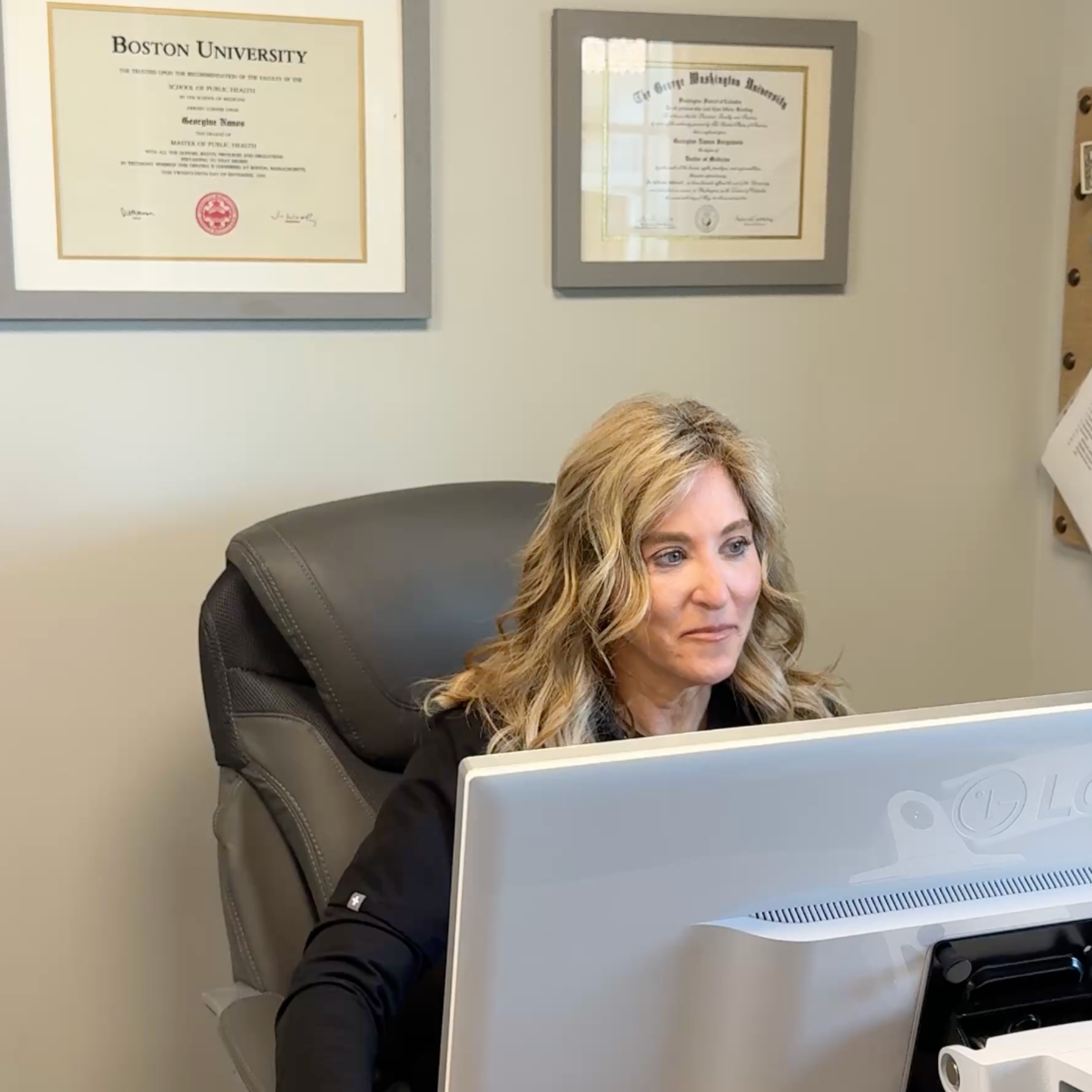
Meet the Author


You might also enjoy:

Dr. Georgine Nanos sits down with Kyle Hartfield, founder of iTalk TMS, a patient-facing advocacy platform he built because he could not stand a minute of the existing content about it.
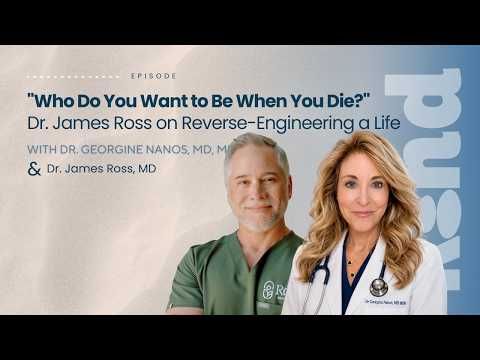
Dr. Georgine Nanos sits down with Dr. James Ross, who practices what he prefers to call holistic brain health.

Colorectal cancer is climbing 3% a year in adults under 50, and younger patients are nearly twice as likely to be diagnosed at stage 4. A UC San Diego surgeon on why, and the two words that fix most of it.
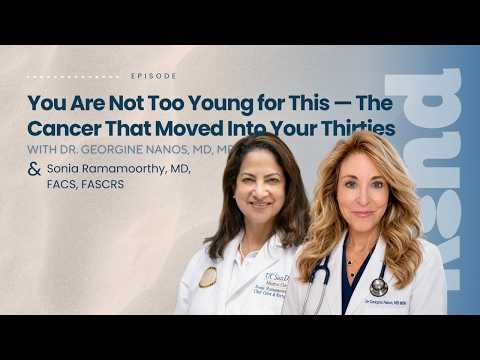
Colorectal cancer used to be an older person's disease. It is not anymore. Dr. Nanos sits down with Sonia Ramamoorthy, they get into why it keeps getting caught late, and the answer is uncomfortable. The early symptoms are rectal bleeding and a change in bowel habits.