
The Longevity Plan for Women
This is a subtitle for your new post
I want to ask you something that most doctors never ask.
What do you want your life to look like at 80?
Not whether you'll be alive. That's the baseline. I mean—what do you want to be able to do? How do you want to feel? What relationships do you want to still be present in? What do you want to still be capable of?
Most people have a vivid, specific answer to that question. They want to be sharp. They want to be active. They want to be present for grandchildren, still working in some capacity, still in their own home, still themselves. They don't want to be managing a list of chronic diseases. They don't want to have traded decades of their life for a final chapter of decline.
Here's what medicine rarely tells you: the biology of your 80s is largely written in your 40s and 50s.
The decisions made or not made during midlife have compounding effects that determine your cognitive trajectory, your cardiovascular health, your bone density, your metabolic function, and your immune resilience for decades. Longevity medicine is not about living longer. It's about living well—and that requires a plan.
Let me show you what that looks like through the stories of three women who decided, in midlife, to take the next thirty years seriously.
Why Your 40s and 50s Are the Leverage Point
There's a concept in longevity medicine called the healthspan—lifespan gap. Most people understand that Americans are living longer. Fewer people understand that we're also spending more years in compromised health managing multiple chronic conditions, experiencing cognitive decline, losing physical independence earlier than we should.
The gap between when we live and when we live well is the central problem that longevity medicine is trying to close.
The research on this is clear: the interventions that have the greatest impact on healthspan the years you spend in good health, are most effective when begun before disease is present. Not after a heart attack. Not after a dementia diagnosis. Not after a fall that reveals severe osteoporosis. Before. During the window when the biology is still responsive, when interventions can change trajectories rather than just slow decline.
That window is now, for most of the women reading this.
Your 40s and early 50s are the highest-leverage period for longevity investment. What you do and what you address in this decade echoes through the next three.
The Four Pillars of a Personalized Longevity Plan
Every comprehensive longevity plan is individual. But the domains we assess and address are consistent:
- Cardiovascular resilience: Full lipid panel including Lp(a), coronary calcium score, inflammatory markers, blood pressure, arterial stiffness, and metabolic contributors to cardiovascular risk. The goal is not just "normal"—it's optimal for the next thirty years.
- Brain protection: Cognitive risk assessment, metabolic optimization (insulin resistance is the single most potent modifiable cognitive risk factor), sleep quality, hormonal status, inflammatory burden, and an intentional lifestyle protocol for neuroplasticity.
- Musculoskeletal architecture: Baseline DEXA for bone density, body composition analysis, strength assessment, and a resistance training protocol that is progressive and sustainable. Muscle and bone are built in the decade you do the work.
- Hormonal optimization: Comprehensive hormone panel and a conversation about the appropriate use of hormone therapy to protect bone, brain, cardiovascular function, and quality of life through the perimenopausal and postmenopausal years.
- These pillars are not independent. Metabolic health affects brain health. Hormonal health affects musculoskeletal health. Cardiovascular health is inseparable from inflammation, which affects everything. A longevity plan that addresses one in isolation misses the interconnected biology.
The Most Important Thing I Can Tell You
Here is what twenty years of clinical medicine has taught me about longevity:
The women who age most powerfully are not the ones who found the perfect supplement or the perfect diet. They are the ones who made the decision somewhere in their 40s or 50s, to take their health seriously and systematically.
Who stopped accepting "normal" when they didn't feel normal. Who built a relationship with a physician who knew them well enough to catch what needed catching. Who invested in their health with the same rigor they brought to everything else in their lives.
Longevity is not passive. It is a practice.
And the best time to start is now.
Ready to Build Your Plan?
If you've been meaning to get serious about your long-term health and keep waiting for the right moment—this is it. The right moment is always the one where you actually do the thing.
At KIND Health Group, we build personalized longevity protocols based on comprehensive assessment of your biology, your history, your risk factors, and your goals. Not a one-size-fits-all wellness plan. A real, physician-led strategy for the next thirty years.
Schedule Your Longevity Consultation →
Medical Disclaimer: This content is for informational purposes only and does not constitute medical advice. Individual results vary. All treatments and protocols should be determined in consultation with a qualified healthcare provider based on your individual health history.
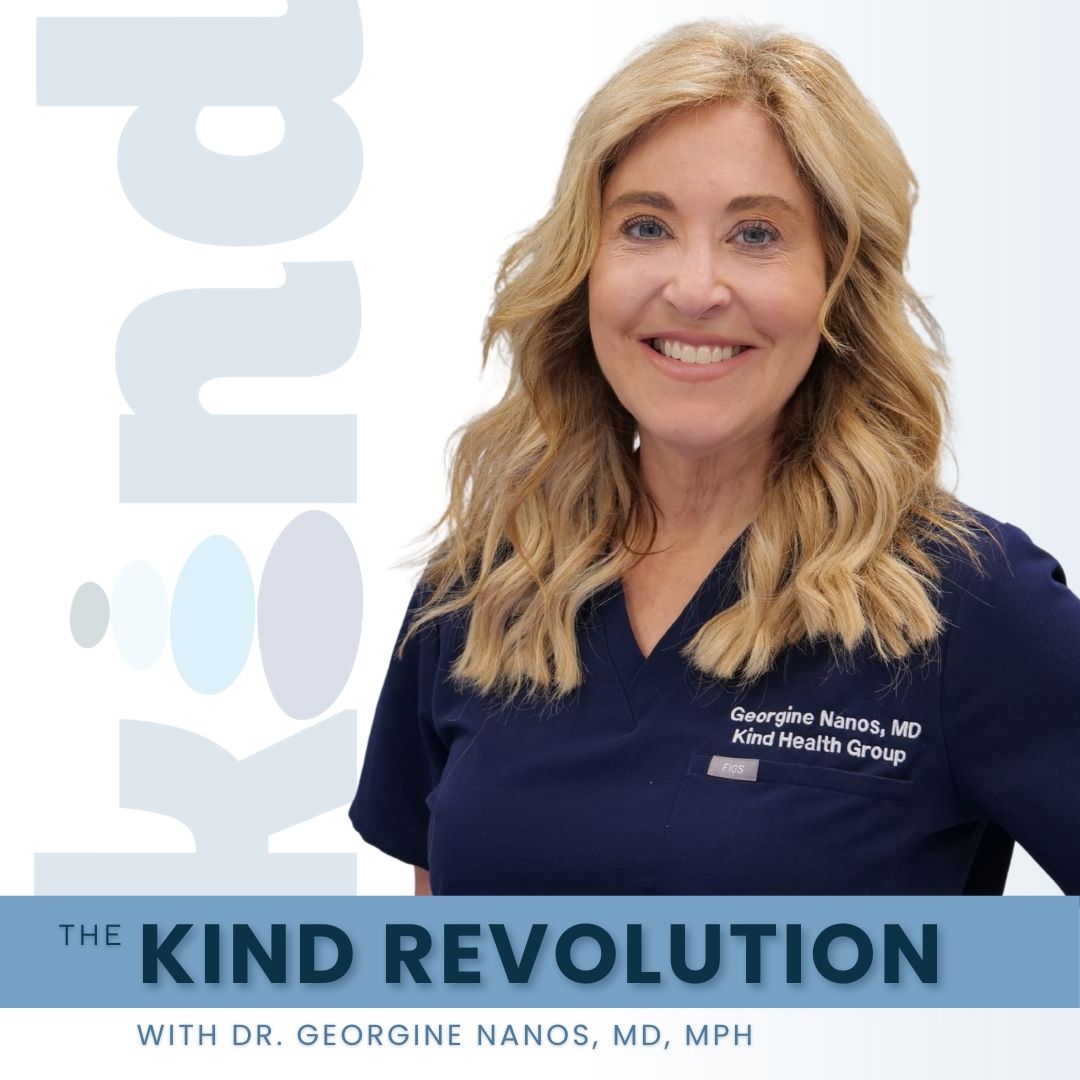
Meet the Author

You might also enjoy: